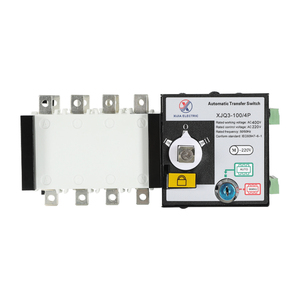
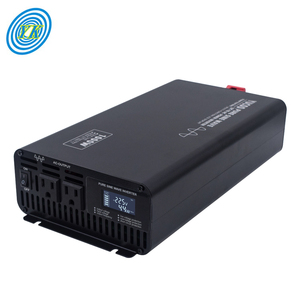
Discover our broad spectrum of high-efficiency AC-DC rectifiers, DIN Rail mount switching power supplies, adjustable DC-DC converters, and heavy-duty battery charging systems designed for seamless operational uptime.
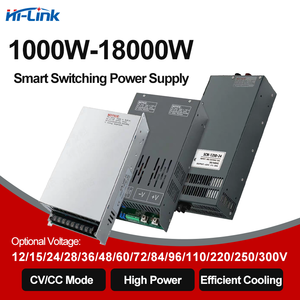
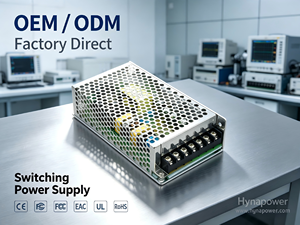
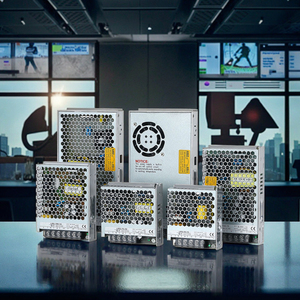
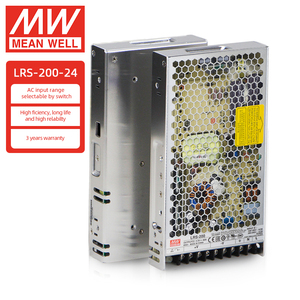
The global telecommunications landscape is undergoing a monumental paradigm shift. As 5G standalone (SA) deployments accelerate, edge data centers proliferate, and network densification demands unprecedented power efficiency, telecom operators and OEM integrators can no longer rely on legacy AC-DC switching architectures. A modern telecom power system serves as the critical backbone for Base Transceiver Stations (BTS), optical line terminals (OLT), micro-cell nodes, and enterprise switchgear.
Core Engineering Insight: Telecom power conversion demands zero-tolerance for downtime. Transitioning from traditional silicon MOSFETs to Gallium Nitride (GaN) and Silicon Carbide (SiC) semiconductors allows modern -48V DC rectifier modules to achieve power densities exceeding 45W/in³ while maintaining over 97.5% conversion efficiency across wide thermal ranges (-40°C to +75°C).
As a trusted telecom power factory and direct OEM manufacturer, our engineering matrix integrates advanced active Power Factor Correction (PFC > 0.99), galvanic isolation exceeding 3000VAC, dynamic float/boost battery management, and intelligent telemetry interfaces (SNMPv3, Modbus, CAN Bus). Whether deploying outdoor pole-mounted micro rectifiers or central office high-capacity DC power bays, specifying the right power electronics directly dictates operational expenditures (OPEX) and network MTBF (Mean Time Between Failures).
Quantifiable metrics backing our 30+ year manufacturing legacy under Sanstar Microsystems Pvt. Ltd. (Micro Power).
Analyzing strategic purchasing shifts across global telecom networks, enterprise automation, and critical infrastructure.
Global telecom operators are systematically phasing out traditional Valve-Regulated Lead-Acid (VRLA) batteries in favor of high-density Lithium Iron Phosphate (LiFePO4) energy storage. Consequently, procurement requirements now mandate rectifiers and power packs equipped with adaptive multi-stage BMS (Battery Management System) communication protocol integration, dynamic current limiting, and automated thermal compensation algorithms.
In developing markets and remote rural installations, brownouts and severe grid spikes present constant operational hazards. Sourcing managers are increasingly specifying wide input voltage tolerance (90V to 290V AC continuous) with built-in high-energy surge protection (6kV/4kV lightning immunity) to minimize remote site maintenance visits and component degradation.
With environmental, social, and governance (ESG) compliance driving corporate procurement, green telecom towers are becoming standard. Modern power systems now feature native Maximum Power Point Tracking (MPPT) solar controller inputs alongside traditional AC mains rectifiers, automatically prioritizing solar harvesting to minimize diesel generator runtime and utility draw.
The rapid growth of high-frequency switching technology, digital control loops, and micro-modular Form Factors has redefined industrial switching power supply (SMPS) design criteria. Below is a comparative technical analysis highlighting legacy versus modern power conversion standards.
| Engineering Metric | Legacy Linear & Early SMPS | Modern Telecom & Industrial Power Modules | Operational Advantage |
|---|---|---|---|
| Switching Topology | Hard-switched Silicon MOSFET (50-100kHz) | Zero-Voltage Switching (ZVS) GaN/SiC (>300kHz) | Lower thermal loss, 40% footprint reduction |
| Energy Efficiency | 80% – 85% typical | 95% – 98% (80 PLUS Titanium benchmark) | Significant OPEX reduction & heat mitigation |
| Power Factor (PFC) | Passive PFC (0.75 – 0.85) | Active Interleaved PFC (>0.99 at full load) | Minimal harmonic distortion (THD < 5%) |
| Thermal Management | Heavy extrusion heatsinks, forced air | Conduction cooling, cold-plate, smart fan control | Silent operation, IP65 outdoor enclosure ready |
| Monitoring & Control | Analog pot adjustments & relay contacts | Digital PMBus / Modbus / SNMPv3 IoT telemetry | Real-time predictive maintenance & remote reset |
| Redundancy Architecture | External Schottky Diode OR-ing | Internal Active Ideal Diode MOSFET OR-ing | Zero voltage drop, N+1 hot-swappable fault tolerance |
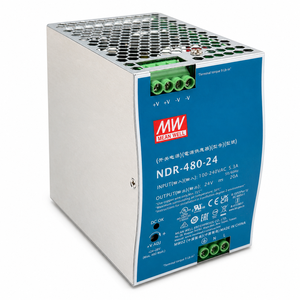
Cabinet space inside remote outdoor nodes is premium real estate. Modern 30mm slim-line profile designs (such as our ultra-compact 75W–480W DIN rail power series) maximize vertical space within standard 19-inch racks and control boxes while maintaining full thermal derating margins up to +70°C ambient temperatures.
Industrial-grade telecom power units feature advanced multi-stage protections: Short Circuit (Hiccup mode auto-recovery), Overload (Constant current limiting), Over Voltage (OVP clamp), and Reverse Polarity protection. This self-healing architecture prevents catastrophic downstream damage to delicate core networks.
Built on over three decades of power electronics design, state-of-the-art MIDC manufacturing facilities, and uncompromised quality assurance.
Founded in 1994 under Sanstar Microsystems Pvt. Ltd. (Micro Power brand), our in-house engineering desk possesses decades of deep technical domain knowledge in magnetics design, high-frequency PCB layouts, EMI/EMC mitigation, and thermal simulation for mission-critical applications.
Compliance is paramount for global distribution. Our product portfolio carries verified certifications including BIS (IS 13252), CE compliance (EMC Directive 2014/30/EU), and UL markings, backed by rigorous safety standards for security, automation, telecom, and railway integration.
Every single power unit coming off our ESD-protected assembly line undergoes 100% full-load thermal burn-in testing, high-voltage dielectric withstand checks, and automated parameter screening before packaging—ensuring zero DOA (Dead On Arrival) shipments.
Off-the-shelf components don't always fit specialized system footprints. Our dedicated R&D team customizes output voltages (12V, 24V, 36V, 48V, 110V, 220V), custom enclosure mechanicals, potential-free fault alarm contacts, and dual redundant charging algorithms for telecom OEMs.
To ensure long-term operational viability and compliance when selecting industrial power supplies or telecom battery chargers, enterprise procurement teams should evaluate the following critical parameters:
Direct technical answers to common queries raised by telecom system integrators, engineers, and procurement managers.