
Explore our export-ready, CE-certified power conversion product matrix featuring ultra-wide AC input tolerances, thermal management, and dual-mode battery protection.
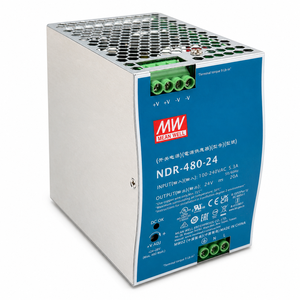
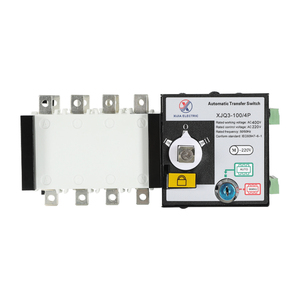
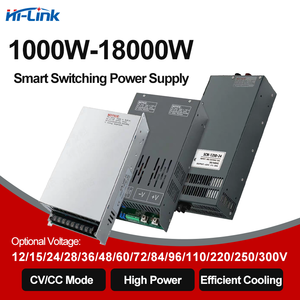
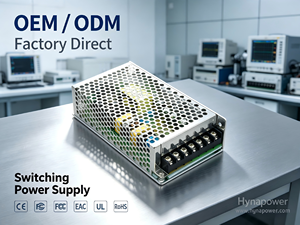
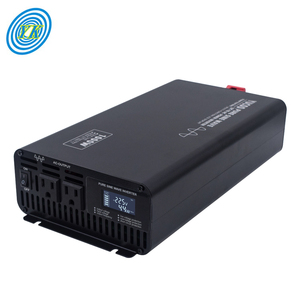
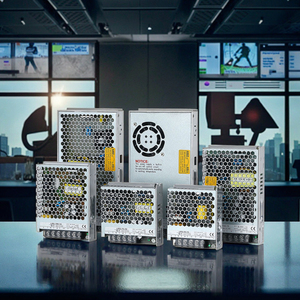
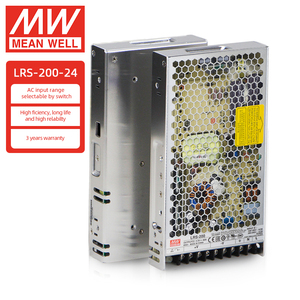

In critical industrial infrastructure—ranging from data center standby gensets and hospital emergency power systems to telecom tower auxiliary units—the automatic generator battery charger serves as the primary safeguard against catastrophic power loss. A standby diesel generator is only as reliable as its starting battery. When main grid AC power fails, the engine starter motor demands massive cranking current (often 200A to 800A for large engines) within milliseconds. If the battery charger fails to maintain optimal state-of-charge (SoC), or if it overcharges and sulfating occurs, the generator will fail to start, inducing downtime costs that can exceed tens of thousands of dollars per minute.
As a leading CE certified generator charger exporter and OEM manufacturer, Sanstar Microsystems Pvt. Ltd. (operating under the Micro Power brand since 1994) engineers advanced Switch Mode Power Supply (SMPS) charger topologies specifically optimized to withstand extreme electrical and environmental harshness. Legacy power supplies used inefficient linear step-down transformers prone to severe thermal stress, wide voltage regulation drops, and battery over-gassing. Modern industrial generator chargers utilize high-frequency pulse-width modulation (PWM) combined with smart multi-stage charging algorithms to deliver precise voltage regulation, high efficiency, and extended lead-acid, GEL, AGM, and Lithium-ion battery lifespan.
Information Gain Insight: Modern generator charging units must integrate dynamic line correction capable of handling severe voltage drops down to 90 VAC and surge spikes up to 300 VAC, alongside active electromagnetic interference (EMI) filtering per CE EN61000-6-2/4 standards to prevent interference with sensitive Automatic Mains Failure (AMF) microcontrollers.
A fundamental requirement for any enterprise-grade generator battery charger is the implementation of an intelligent multi-stage charging profile. Single-voltage trickle chargers gradually degrade battery plates through continuous over-charging or leave the battery undercharged during high ambient temperatures. Our CE-marked charger series utilizes an integrated microcontroller to execute a precise three-stage charging cycle:
Procurement teams and electrical engineers evaluating generator backup power infrastructure must understand the core performance differences between traditional linear power supplies and modern CE-certified switch-mode systems.
| Performance Parameter | Legacy Linear Transformer Chargers | Micro Power CE Certified SMPS Chargers |
|---|---|---|
| Energy Conversion Efficiency | Poor (45% – 60%), high heat dissipation | Exceptional (88% – 93.5%), low energy footprint |
| Input AC Voltage Window | Narrow (220V ±10%), fails during brownouts | Ultra-Wide (90V – 290V AC continuous operation) |
| Output Voltage Ripple & Noise | High Ripple (>500mV p-p), damages telemetry | Low Ripple (<100mV p-p), clean DC for AMF panels |
| Weight & Physical Footprint | Heavy, bulky iron core; panel space intensive | Ultra-compact, DIN rail / panel mount (Up to 70% lighter) |
| Battery Longevity Protection | Fixed voltage trickle; causes sulfating / drying | Smart 3-Stage CC/CV Float charging + Temperature Comp. |
| Protective Safety Features | Basic fuse protection (slow response) | Auto-recovery Short Circuit, Over-Voltage, Reverse Polarity |
| EMI / EMC Compliance | Uncertified; generates acoustic and RF noise | Full CE EN61000-6-2/4 & CISPR22 Class B Compliant |
Future industrial generator charger topologies are shifting rapidly toward Gallium Nitride (GaN) and Silicon Carbide (SiC) MOSFETs. These materials enable switching frequencies above 500 kHz, reducing passive component size by 40% and pushing conversion efficiency past 96%.
Global climate shifts and unstable distribution grids in emerging markets demand charger inputs that survive 300V+ line surges for sustained periods. Next-gen chargers feature integrated active PFC and high-grade varistor arrays to prevent field burnouts.
Industrial procurement specifiers increasingly demand battery chargers equipped with RS485 Modbus RTU or CANbus protocols. Real-time telemetry allows building management systems (BMS) to monitor battery internal resistance, charging current, and temperature remotely.
Manufactured by Sanstar Microsystems Pvt. Ltd. at our modern industrial plant in MIDC Hingna Road, Nagpur, India, Micro Power brings over 30 years of specialized power electronics expertise to global export markets. Our facility combines rigorous engineering design with quality assurance protocols tailored for critical applications.
Every single power supply unit and battery charger undergoes 100% thermal and load burn-in testing prior to packaging. This eliminates early-life component mortality and guarantees field reliability.
Our production line is operated by a highly trained, 100% female technical workforce adhering to strict anti-static (ESD) handling protocols, precision SMD assembly, and multi-stage automated optical inspections.
From custom output voltages, dual-redundant diode OR-ing schemes, and custom aluminum enclosures to specialized potential-free relay contacts for AMF alarms—our R&D team builds around your spec.
Direct technical answers to common questions asked by industrial procurement officers, panel builders, and electrical contractors.
Micro Power generator chargers and DIN rail SMPS series are available with CE markings (EMC directive EN61000-6-2/4, Safety EN62368-1/UL60950), BIS Approval (IS 13252) for Indian infrastructure projects, and UL certified options for select ranges. Full compliance certificates, test reports, and factory clearance documents are provided for OEM export shipments.
Engine generator enclosures frequently experience ambient temperatures exceeding 50°C. Our chargers feature built-in temperature compensation circuitry that adjusts the float voltage downward as ambient temperature rises (typically -3mV/°C/cell). This prevents thermal runaway, grid corrosion, and electrolyte drying in VRLA and Lead-Acid batteries.
Yes. We manufacture customized dual redundant charging power packs featuring external or built-in diode OR-ing modules (Redundancy Modules). In this setup, two independent charger units feed the common DC bus. If one charger fails, the second unit maintains 100% of the charging and auxiliary load without a single millisecond of DC output drop.
Standard Micro Power generator chargers operate across a wide input window of 90 VAC to 290 VAC continuous. This wide operating range ensures that even when rural or industrial power lines suffer extreme voltage sags, the charger maintains steady, regulated DC power to keep the generator starter battery fully charged.
For standard CE and BIS certified catalog items, we maintain baseline inventory for rapid export dispatch. For custom OEM engineering projects (modified voltages, specialized wiring harnesses, custom metal casing, or private branding), our engineering team delivers prototypes within 2 to 3 weeks, with full production scaling flexibly based on project requirements.
High AC ripple voltage on a DC charging line acts as parasitic AC current passing through the battery, which accelerates plate sulfation, increases battery operating temperature, and degrades electrolyte chemistry. Furthermore, excessive ripple can corrupt sensitive microprocessor signals on AMF control cards, causing false engine start alarms. Micro Power chargers maintain ripple and noise below 100mV p-p across the entire load spectrum.
Partner with a 30-year certified manufacturer for your generator charger, SMPS, and industrial power conversion requirements. Consult with our senior application engineers today.
Send an Inquiry