
Export & OEM Desk: +91 9765557595 [email protected] Manufactured in Nagpur, India
0%

In 2026, choosing the best 12V CCTV Power Supply requires more than checking its output voltage. Security cameras need clean, stable power throughout the day and night. A low-quality adapter may cause flickering infrared LEDs, random reboots, or blurred recordings. These faults often appear after installation, when troubleshooting becomes expensive. Small details matter. Cable length, current demand, weather exposure, and future camera upgrades all influence the correct choice.

This guide examines regulated switching supplies, centralized distribution boxes, UPS-backed models, and weather-resistant options. It explains how to read amperage ratings, calculate voltage drop, and leave safe capacity for startup surges. For example, eight cameras rated at 0.5 amps each should not rely on an undersized 4-amp unit. Infrared night vision can increase consumption. A practical safety margin is essential. Manufacturer specifications, recognized safety certifications, enclosure ratings, and local electrical requirements also deserve careful review. Qualified installation remains important, especially near mains voltage.

There is no universal winner. A compact adapter may suit one indoor camera, while a fused distribution box better supports a larger system. Battery backup adds resilience, but also introduces maintenance and replacement costs. Some recommendations sound convincing until real installation conditions expose their weaknesses. That deserves honest attention. By comparing tested features, installation experience, and long-term reliability, this article helps readers select a power supply that fits their cameras, wiring, environment, and security expectations in 2026. Reliability is not just a specification. It is consistent performance at 2 a.m., during heat, dust, and unexpected power interruptions.
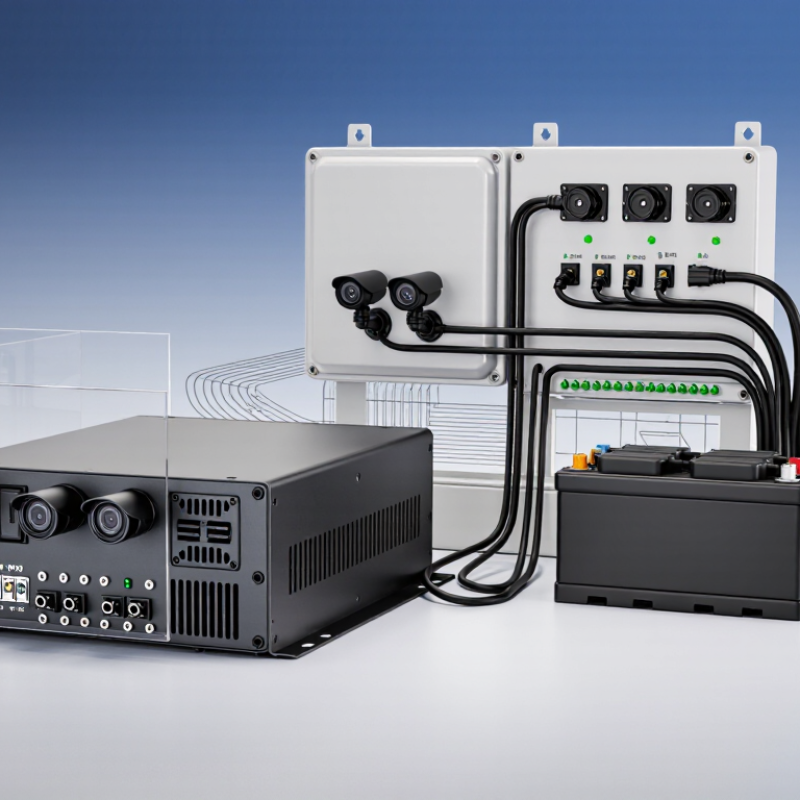
What Is the Best Type of 12V CCTV Power Supply in 2026?

What Is a 12V CCTV Power Supply and How Does It Work?

A 12V CCTV power supply converts mains electricity into stable 12-volt direct current for security cameras. Inside, a transformer or switching circuit changes the input voltage. A regulator then smooths the output and limits electrical fluctuations. The camera receives power through two conductors, often using screw terminals or a DC plug.

Stable voltage matters. A camera may restart when voltage drops below its operating range. Long cables increase resistance, especially with thin conductors. I have seen infrared cameras fail at night because their LEDs draw more current. The daytime image looked normal. This detail is easy to miss.

The best 12V supply in 2026 depends on the installation. A regulated unit with overload, short-circuit, and surge protection is usually the safer choice. Calculate the total camera load, then allow extra capacity for infrared lighting and future additions. Never select a supply that only matches the printed average load.

For several cameras, a fused distribution box can simplify maintenance. Individual protection helps isolate one faulty cable. A sealed, ventilated enclosure is useful in dusty or damp areas, but ventilation still matters. Heat shortens component life.

I prefer testing voltage at the camera, not only at the power unit. The reading can differ significantly. This small check prevents many false diagnoses. Battery backup may improve reliability during brief outages, although its runtime depends on load and battery condition. Even good calculations need field testing.

Which 12V CCTV Power Supply Types Are Available in 2026?

In 2026, 12V CCTV power supplies are available in several practical forms. The commonest choice is a regulated wall adapter for one camera. It provides stable 12V DC and suits short cable runs. Choose its current rating above the camera’s maximum demand. A 12V, 2A adapter gives more operating margin than a 12V, 1A model. Small margin matters.

Multi-output power distribution boxes support several cameras from one enclosure. Each output may include a fuse or electronic protection, making fault detection easier. These units often include adjustable voltage compensation for longer cables. However, compensation can hide poor wiring. Measure voltage beside the camera, not only at the supply.

Water-resistant outdoor supplies protect connections from rain and dust, but their ratings depend on correct installation. A sealed case cannot protect an open cable gland. For security sites needing continuity, a 12V backup supply combines a charger, battery, and regulated output. It can maintain cameras during short power failures. Battery capacity must match the camera load and expected backup time.

DIN-rail supplies suit control cabinets and organized installations. Compact plug-in models are easier for homes, though their connectors can loosen. Linear supplies create less switching noise, but they waste more energy and produce heat. Switching supplies are smaller and more efficient, yet low-quality models may cause interference. Check polarity, load current, temperature range, protection functions, and safety documentation before installation. A test under night-mode infrared load is wise, because cameras often consume more power after dark.

How to Compare Safety, Capacity, Efficiency, and Reliability

In 2026, the best 12V CCTV power supply is not simply the highest-rated model. Compare safety, capacity, efficiency, and reliability under real operating conditions. Safety begins with stable voltage, short-circuit protection, overload protection, and controlled heat. Choose a unit with suitable local safety certification, a grounded enclosure, and separate fuses for each camera circuit. An enclosed metal case can reduce physical damage, but poor ventilation may increase internal temperature. Small details matter.

Capacity should include every camera’s daytime and infrared night-time consumption. Add the recorder, microphone, heater, or network accessories if they share the supply. Calculate total current, then keep a 25–30% reserve.

For example, eight cameras drawing 0.8 amps each need 6.4 amps before accessories. A 10-amp supply gives useful headroom. More is not always better. An oversized unit may waste energy during light loads, while an undersized unit can cause image loss and repeated restarts.

Efficiency matters most when the system runs continuously. Check conversion efficiency, idle consumption, and performance at 40–80% load. Reliability depends on voltage stability, low ripple, surge resistance, and thermal performance. Test the output with cameras operating at night, not only on a workbench. A specification sheet can still mislead. I have seen installations fail because cable voltage drop was ignored. Measure voltage at the farthest camera, especially when long cable runs and cold-weather infrared use are involved.

How to Match a Power Supply to Your CCTV System

Matching a 12V CCTV power supply starts with the camera load, not the adapter label. Read each camera’s rated wattage, then include infrared night draw, heaters, microphones, and alarms. Divide total watts by 12 to estimate current. Add 20–30% headroom for startup surges and aging. For example, eight 6W cameras need 4A before margin. A 5A supply is marginal; a 6A unit is safer. Grand View Research estimated the global video surveillance market at $53.7 billion in 2023, with a projected 10.7% CAGR through 2030. Growing systems require more careful power planning.

Choose a regulated supply with short-circuit, overvoltage, and thermal protection. Check voltage drop across long cable runs, especially outdoors. A camera receiving 10.8V may show rebooting, flickering infrared, or random disconnections. Those symptoms are often blamed on the camera too quickly. I have seen that mistake in troubleshooting work. It is worth measuring voltage at the camera, not only at the supply terminals. Use separate fused outputs when several cameras share one enclosure. Select an enclosure rated for moisture and temperature changes. A backup battery can maintain recording during brief outages, but its capacity must match the total load and runtime. The 2024 MarketsandMarkets report forecasts the surveillance market to rise from $53.7 billion in 2024 to $83.3 billion by 2029, at a 9.2% CAGR. Forecasts vary. Real installations still need measured current, cable length, and nighttime testing.

What Is the Best Type of 12V CCTV Power Supply in 2026?

How to match a power supply to your CCTV system

This sizing guide assumes each 12V camera can draw up to 0.5A, including infrared illumination, and adds a 25% design margin for startup and cable-loss allowance. For example, an eight-camera system requires 4A of calculated load, so a regulated 12V power supply rated at approximately 5A is appropriate. Use a centralized regulated supply for multi-camera installations, and consider a UPS-backed supply where continuous operation is important. Always verify the camera’s maximum current and the cable voltage drop before installation.

Which 12V CCTV Power Supply Is Best for Different Security Needs?

What Is the Best Type of 12V CCTV Power Supply in 2026?

Which 12V CCTV Power Supply Is Best for Different Security Needs?

The best choice depends on camera count, cable length, and failure tolerance. For one indoor camera, a regulated 12V adapter is usually sufficient. It should provide stable voltage and at least 25% spare capacity. For four or more cameras, choose a centralized distribution box with individual fuses. This arrangement simplifies testing and limits one fault’s impact. Uptime Institute’s 2024 Global Data Center Survey identified power problems as a leading cause of serious outages. Small security systems deserve similar attention.

Outdoor cameras need more protection. Select a supply with surge protection, thermal safeguards, and a properly rated enclosure. Infrared lighting increases night-time demand. Long cable runs also create voltage drop, especially with thin conductors. For critical entrances, a 12V UPS or battery-backed supply can maintain recording during short interruptions. IEC 62368-1 provides a useful safety reference for power equipment, but installation quality still matters. I have seen expensive cameras fail because the supply was technically rated, yet poorly ventilated.

Tips: Measure the camera’s real current draw at night. Add every camera’s wattage, then keep 20–30% reserve. Check voltage at the farthest camera, not only at the power box. Avoid sharing one cheap adapter across many devices. That shortcut often becomes the weakest point. Recheck connections after rain, heat, and seasonal temperature changes.

FAQS

What does a 12V CCTV power supply do?

It converts mains electricity into stable 12V direct current. The camera receives power through two conductors or a DC plug. A regulator reduces voltage changes. Stable voltage prevents random restarts.

Why can a camera work during the day but fail at night?

Infrared lighting usually increases the camera’s current demand. Thin or long cables create extra voltage loss. The daytime picture may look normal. Night mode reveals the weakness.

How much capacity should a 12V power supply provide?

Add the maximum current ratings of all connected devices. Include infrared lights, heaters, microphones, and network accessories. Keep a 25–30% reserve. For example, eight cameras using 0.8 amps need 6.4 amps. A 10-amp supply provides useful headroom.

Which 12V power supply type suits one camera?

A regulated wall adapter usually suits one camera and short cables. Its current rating should exceed the camera’s maximum demand. A 12V, 2A adapter offers more margin than a 12V, 1A adapter. Small margins matter.

What type suits several cameras?

A fused distribution box can power multiple cameras from one enclosure. Separate fuses help isolate one failed cable. This makes maintenance easier. Still, measure each camera circuit during night operation.

How can I check whether voltage reaches the camera?

Use a meter beside the camera, not only near the power supply. Test the farthest camera with infrared lighting active. The two readings may differ significantly. This simple check prevents many false diagnoses.

What safety features should a 12V power supply include?

Look for overload, short-circuit, surge, and thermal protection. Choose suitable local safety certification and a grounded enclosure. Use secure cable glands in outdoor installations. A sealed case cannot protect an open cable entry.

Does ventilation affect power-supply reliability?

Yes. Heat can shorten component life and reduce reliability. A metal enclosure may protect hardware, but it can trap heat. Leave suitable airflow around the supply. Dusty areas need protection too.

Can battery backup keep cameras working during an outage?

A backup supply can maintain cameras during brief power failures. Runtime depends on battery capacity, camera load, and battery condition. Calculate the expected operating time carefully. Good calculations still need field testing. I sometimes trust calculations too much.

Conclusion

Choosing the best 12V CCTV Power Supply in 2026 requires more than checking the voltage rating. A 12V CCTV Power Supply converts household AC electricity into stable DC power for cameras, recorders, infrared lights, and other security equipment. Available options include individual adapters, centralized power boxes, regulated supplies, battery-backed units, and models with multiple output channels. Each type offers different advantages in installation flexibility, capacity, heat control, and maintenance.

The right choice depends on the number of cameras, their total wattage, cable distance, startup demand, and environmental conditions. A reliable power supply should provide stable output, overload and short-circuit protection, sufficient ventilation, and extra capacity for future expansion. Energy efficiency is also important for long-term operating costs. For a small indoor system, a compact regulated adapter may be suitable, while larger installations may benefit from a centralized or backup-supported solution. By comparing safety, capacity, efficiency, reliability, and system compatibility, users can select a power solution that keeps their CCTV equipment operating consistently.

Olivia

Olivia

Olivia is a dedicated marketing professional with a strong understanding of the company’s products, customers, and evolving industry landscape. Through clear, practical, and well-researched content, she regularly contributes expert articles to the company website, helping readers better understand......